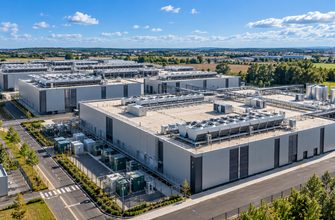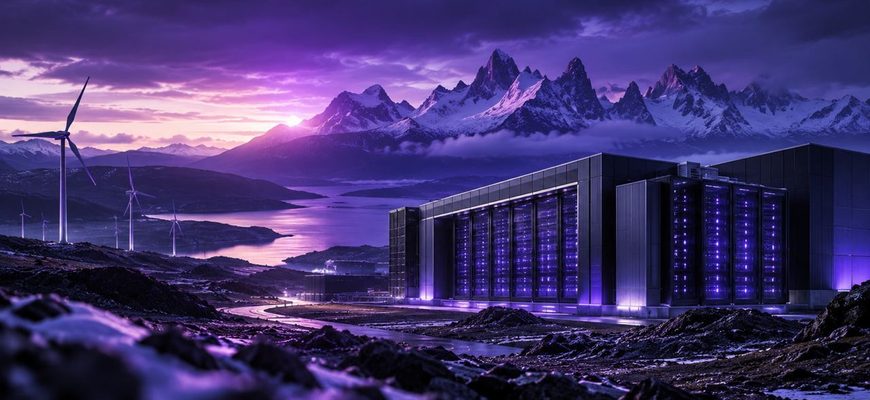
Argentina’s Patagonia is attracting growing attention from technology and infrastructure companies looking for new locations to build large-scale data centers.
The region offers a combination that is becoming increasingly valuable to the data center industry: a relatively cool climate, large areas of available land and access to significant energy resources. As demand for computing capacity continues to rise, particularly because of artificial intelligence workloads, operators are looking beyond established data center markets for locations capable of supporting much larger facilities.
Why Patagonia Is Attracting Data Center Investment
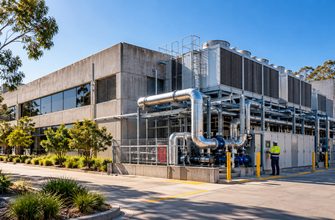
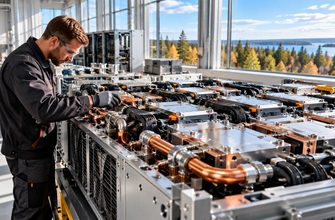
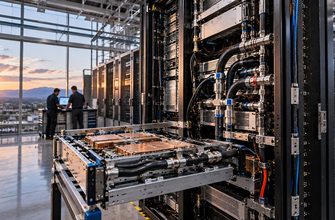
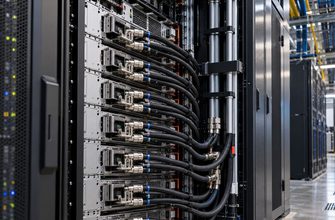
Cooling and electricity are two of the most important operational considerations for modern data centers. High-density computing infrastructure produces substantial amounts of heat, while large AI clusters can require enormous amounts of power.
Patagonia has characteristics that could help address both issues. Its climate can reduce some of the cooling challenges associated with operating large computing facilities, while Argentina’s energy resources provide potential options for powering new infrastructure.
According to Reuters, several companies are exploring or developing data center projects in the region, with some proposed developments potentially reaching extremely large power capacities.
AI Is Changing Data Center Geography
The growing interest in Patagonia reflects a wider change in the global infrastructure market.
Traditional data center hubs are facing increasing pressure from electricity demand, land availability, grid constraints and environmental concerns. At the same time, AI infrastructure requires significantly more computing capacity, pushing developers to investigate regions that previously received relatively little attention from hyperscale operators.
Instead of locating facilities primarily close to major metropolitan areas, future AI data centers may increasingly be built near abundant sources of electricity.
That could gradually change the geography of cloud and server infrastructure.
Major Challenges Remain
Patagonia’s advantages do not automatically make it an established data center market.
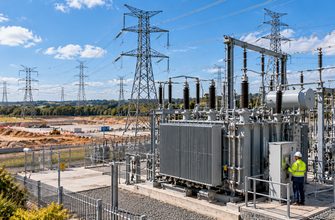
Large computing campuses require much more than electricity and land. Operators also need high-capacity fiber connections, reliable transmission infrastructure, redundant power systems and access to specialized technical expertise.
Connectivity and infrastructure limitations therefore remain significant obstacles for projects in the region.
Many proposed developments are also still at an early stage, meaning announced capacity should not necessarily be treated as capacity that will ultimately be built.
What It Means for the Server Industry
The development is another indication that power availability is becoming one of the defining factors in server infrastructure planning.
For conventional hosting providers, VPS platforms and cloud operators, data center location has historically been strongly influenced by network connectivity and proximity to customers. AI infrastructure adds another increasingly important requirement: access to enormous amounts of electricity.
If computing demand continues to expand, regions with abundant energy, available land and favorable cooling conditions could become increasingly important parts of the global data center map.
Patagonia is now one of the regions being considered for that role.