Adani Enterprises and Jabil signed a nonbinding memorandum of understanding on October 13, 2026, for AI server manufacturing in India. The agreement outlines a proposed 50:50 joint venture to produce equipment for artificial intelligence computing and data centers, including server racks, networking hardware, power distribution and cooling systems.
The companies intend to establish a manufacturing platform serving Indian and international customers, including hyperscale cloud providers and data-center operators. The proposed venture would extend Adani’s involvement in digital infrastructure into hardware production while drawing on Jabil’s manufacturing and engineering capabilities.
The agreement is not a completed joint venture or an announcement that production has begun. The companies must still negotiate definitive agreements and satisfy applicable approvals and other conditions.
Announcement date: October 13, 2026
Companies: Adani Enterprises and Jabil
Proposed ownership: 50:50
Location: India
Products: AI racks, servers, networking, storage, power and cooling equipment
Manufacturing ambition: Multi-gigawatt AI rack capacity
Agreement status: Nonbinding memorandum of understanding
Production start date: Not announced
- What AI Server Manufacturing in India Would Include
- The Companies Are Targeting Multi-Gigawatt Manufacturing Capacity
- Why Adani and Jabil Are Expanding Into AI Hardware
- Power and Liquid Cooling Are Central to the Manufacturing Strategy
- What the Agreement Means for Data-Center Operators
- What Happens Next?
What AI Server Manufacturing in India Would Include
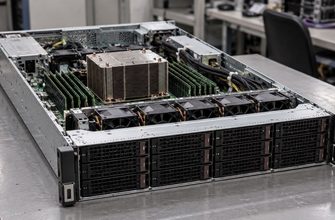
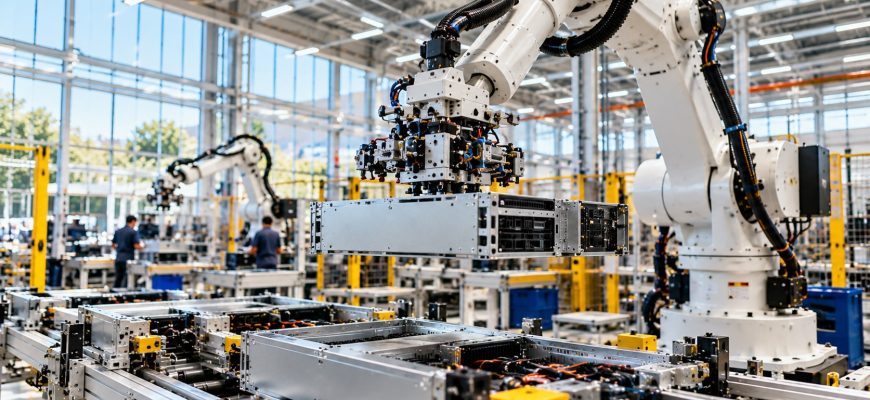
The proposed venture would manufacture and assemble several components needed to build modern AI computing facilities.
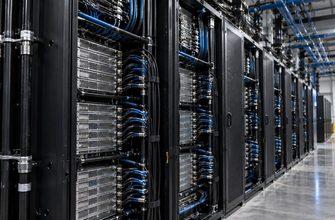
According to the official Jabil announcement, the product portfolio would cover AI computing racks, servers, storage systems and networking equipment.
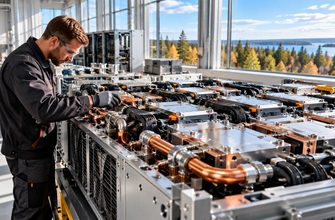
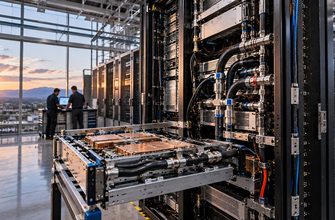
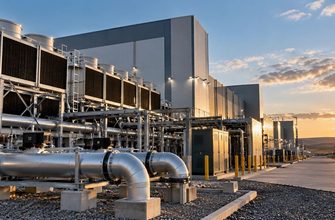
The companies also plan to manufacture supporting infrastructure, including power distribution units, transformers and liquid-cooling equipment.
This combination is significant because deploying AI servers requires more than installing processors or accelerators. Operators must also provide electrical distribution, networking and thermal management capable of supporting densely packed computing systems.
Manufacturing these components within a coordinated supply chain could simplify integration and commissioning, although the companies have not provided independent performance or cost comparisons.
The Companies Are Targeting Multi-Gigawatt Manufacturing Capacity
Adani and Jabil expect the proposed manufacturing platform to support AI rack systems with a combined computing infrastructure power capacity of several gigawatts.
That figure describes the intended scale of equipment production, not electricity already consumed by an operational factory or computing capacity currently installed at customer facilities.
The companies have not disclosed the number of racks they expect to manufacture annually, the output of a particular production site or the power requirements of any planned factory.
These distinctions matter when comparing the announcement with operational data-center capacity. Manufacturing equipment designed to support several gigawatts of future deployments is different from commissioning several gigawatts of live AI infrastructure.
Why Adani and Jabil Are Expanding Into AI Hardware
The October agreement builds on a June 2026 announcement in which the companies outlined plans to explore an AI and data-center manufacturing partnership.
The new memorandum defines a proposed ownership structure and a more detailed hardware portfolio, but the venture remains conditional.
The companies cite forecasts suggesting India’s data-center capacity could reach between 5 GW and 8 GW by 2030, supported by cloud expansion, AI adoption and data-localization requirements.
These figures are projections rather than installed-capacity measurements or guaranteed construction outcomes.
The proposed venture also aligns with Adani Group’s previously announced $100 billion ambition to develop 5 GW of green-energy-powered, hyperscale AI-ready data centers by 2035.
That broader investment commitment should not be confused with a disclosed investment budget for the Jabil joint venture. No separate capital expenditure figure for the proposed manufacturing business was announced.
Power and Liquid Cooling Are Central to the Manufacturing Strategy
High-density AI systems place substantial demands on power delivery and thermal management.
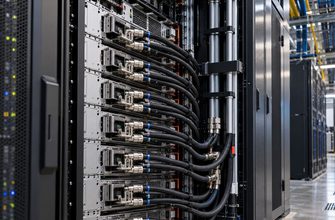
As rack-level power requirements increase, equipment manufacturers must coordinate mechanical design, electrical distribution and liquid-cooling connections to make systems practical to install and maintain.
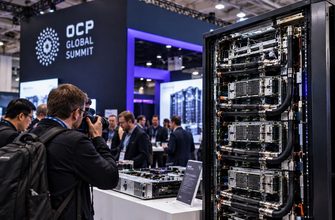
This is also relevant to the industry’s efforts to standardize AI hardware. In separate developments, NVIDIA opened Vera Rubin rack designs to the Open Compute Project, including specifications intended to support high-density AI systems.
The Adani–Jabil agreement concerns a different activity: manufacturing and integrating data-center equipment. However, both developments illustrate the growing importance of the physical infrastructure surrounding AI accelerators.
For operators, access to suitable power and cooling equipment can be as important to deployment schedules as obtaining computing hardware.
What the Agreement Means for Data-Center Operators
If established, the proposed venture could give infrastructure customers another manufacturing and integration option for server racks and supporting systems.
The companies also intend to offer installation and commissioning services, potentially extending their role beyond component production.
However, customers cannot yet assess delivery times, production volumes or commercial competitiveness because those details have not been published.
Independent reporting by Reuters confirms the proposed ownership structure, manufacturing scope and nonbinding status of the agreement.
What Happens Next?
The immediate next step is for Adani Enterprises and Jabil to negotiate definitive agreements and obtain any required approvals.
The companies have not announced a final manufacturing site, an investment amount specifically committed to the venture or a timetable for commercial production.
For the AI server manufacturing in India initiative, the most important future developments will be confirmation of the venture’s legal establishment, factory location, production schedule and manufacturing capacity.
Until those details are disclosed, the October 13 agreement should be treated as a significant proposed expansion of India’s AI hardware manufacturing ecosystem rather than an operational manufacturing project.