SpaceX has announced a binding commitment for approximately $40 billion in GPU equipment leasing, targeting NVIDIA Vera Rubin accelerators for its terrestrial artificial intelligence infrastructure. Disclosed on October 26, 2026, the proposed financing arrangement involves an entity managed by Apollo Global Management and is expected to support equipment deliveries beginning in the first half of 2027.
The SpaceX GPU lease would give the company access to substantial AI computing hardware through financing rather than an immediate outright purchase. However, the underlying lease has not yet closed, and the announcement does not establish that any of the new GPUs have been delivered, installed or activated.
SpaceX signed a binding commitment letter on October 24. The contemplated leases would run for approximately five to five-and-a-quarter years, with aggregate principal payments expected to reach $40 billion. Interest and certain other costs would be additional. The definitive agreement remains subject to closing conditions.
SpaceX GPU Lease: What the $40 Billion Agreement Covers
According to SpaceX’s October 26 filing with the US Securities and Exchange Commission, the company entered into a binding commitment letter on October 24 to establish a master finance lease with an Apollo-managed entity.
Under the proposed structure, the lessor would acquire GPU pods and related equipment, then lease that hardware to SpaceX for use at data centers selected by the company.
SpaceX’s official announcement identifies NVIDIA Vera Rubin as the targeted accelerator generation. The company says the infrastructure will support its AI services, including Grok, and existing and prospective cloud customers.
Apollo and Goldman Sachs lead the financing commitment, with Goldman Sachs serving as sole structuring agent. Funds and accounts managed by BlackRock and Goldman Sachs Asset Management, alongside capital accounts advised by KKR, are also identified as anchor participants.
How the GPU Financing Will Work
The agreement is structured around equipment deliveries rather than a single immediate transfer of computing hardware. Each delivered tranche would have its own lease schedule, generally lasting between five years and five years and three months.
| Transaction Detail | Confirmed Information |
|---|---|
| Commitment signed | October 24, 2026 |
| Public announcement | October 26, 2026 |
| Expected principal payments | Approximately $40 billion |
| Equipment | GPU pods and related data-center hardware; NVIDIA Vera Rubin identified |
| Lease duration | Approximately 5–5.25 years per tranche |
| Payment structure | Quarterly principal component, fixed-rate financing charge and other costs |
| Expected closing | Before the end of 2026, subject to conditions |
| Expected lease commencement | First half of 2027, upon equipment delivery |
The filing specifies that quarterly payments will generally include one-twentieth of each tranche’s financed equipment cost, plus an amount calculated using a fixed annual rate on the outstanding balance and certain continuing expenses.
The $40 billion figure therefore represents expected aggregate principal payments, not the total cost including interest. The fixed financing rate had not been determined when the filing was published.
Why NVIDIA Vera Rubin Matters
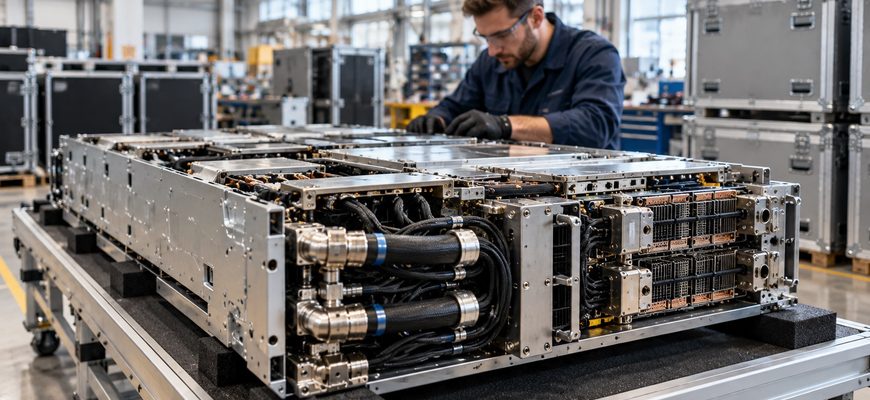
Vera Rubin represents NVIDIA’s next generation of rack-scale accelerated computing, combining GPUs with supporting processors, high-bandwidth interconnects and infrastructure designed for demanding AI training and inference workloads.
Earlier in October, Servers.News reported on NVIDIA’s contribution of Vera Rubin rack designs to the Open Compute Project. That initiative addresses standardization of power, cooling and hardware interfaces for increasingly dense AI systems.
Production deployments are a separate milestone. In September, CoreWeave reported seven Vera Rubin NVL72 racks operating across two regions, representing 504 Rubin GPUs.
That existing installation demonstrates a deployment configuration, but it should not be used to estimate the size of SpaceX’s proposed procurement. SpaceX has not disclosed the number of GPUs, racks or servers covered by its new financing commitment.
Financing GPUs Is Not the Same as Deploying a Data Center
The transaction provides a financing route for acquiring hardware. It does not, by itself, establish that sufficient electricity, cooling capacity, network connectivity or physical data-center space is already available for every planned delivery.
Large AI deployments require substantial infrastructure surrounding the accelerators. Power distribution, liquid cooling, networking, storage and commissioning must all be coordinated before hardware can begin serving production workloads.
The distinction has become increasingly important across the industry. Earlier this month, Servers.News covered Microsoft’s withdrawal from a planned UK AI data-center arrangement amid electricity-grid connection delays.
That separate project does not indicate that SpaceX faces the same problem. It illustrates why financial commitments and equipment orders should not automatically be treated as confirmed operational computing capacity.
What Remains Undisclosed?
Several important deployment details are absent from the October 26 announcement and related SEC filing:
- The total number of NVIDIA Vera Rubin GPUs to be acquired.
- The number and locations of data centers receiving the equipment.
- The electrical capacity required for the planned installations.
- The exact allocation between GPUs and other financed equipment.
- The final financing rate and total interest expense.
- The schedule for bringing delivered hardware into production.
These omissions matter because the financing amount cannot be reliably converted into a GPU count, rack count or megawatt capacity without further information about equipment configurations and pricing.
What Happens Next?
The immediate milestone is completion of the definitive master finance lease, which SpaceX expects before the end of 2026, subject to specified closing conditions.
Equipment deliveries and the corresponding individual lease schedules are expected to begin in the first half of 2027. Actual production availability will depend on delivery, installation, infrastructure readiness and commissioning.
For AI infrastructure operators, the significance of the announcement is the scale and structure of the financing commitment. SpaceX has outlined a route to acquire a substantial amount of next-generation GPU equipment, but the operational footprint of that investment remains to be demonstrated.
Reporting basis: SpaceX’s October 26, 2026 investor announcement and Form 8-K filed with the US Securities and Exchange Commission. Independently corroborated by Reuters and TechCrunch. Financing commitments should not be interpreted as completed equipment deliveries or confirmed data-center capacity.