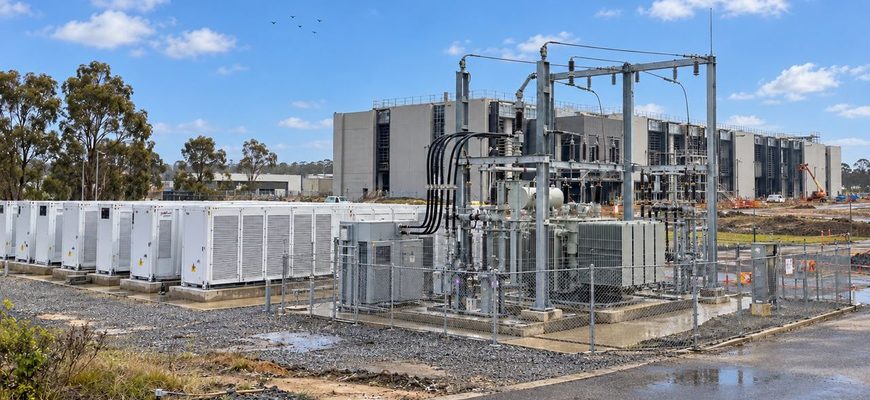
The Australian state of Victoria released a Sustainable Data Centre Action Plan on September 22 that would require new facilities to secure renewable electricity and energy storage while paying for their grid connections and associated network upgrades.
The plan also establishes expectations covering cooling water, site selection, construction traffic and benefits for host communities. Its release creates a more demanding infrastructure framework for developers seeking to add data center capacity in Melbourne and other parts of the state.
Developers would also carry the cost of connecting their facilities and completing any required electricity-network upgrades.
Data Center Developers Would Take On Power Costs
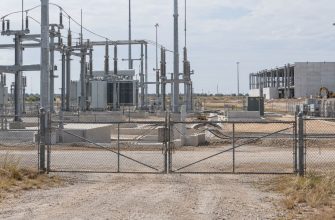
Under the plan described by the Victorian government, new data centers would need to match their additional electricity demand with new renewable generation and storage rather than relying exclusively on existing grid supply.
Operators would also be responsible for connection expenses and network upgrades needed to accommodate their facilities. These obligations could make the electricity system a direct part of project development instead of a separate utility procurement task.
Reuters reported that the requirements may be easier for large hyperscale operators that already use long-term renewable power agreements. Mid-sized developers could face a greater challenge because they may need to finance generation, storage and grid infrastructure alongside the data center itself.
| Infrastructure area | Expectation for new projects | Operational consequence |
|---|---|---|
| Electricity | Secure additional renewable generation and energy storage | Power procurement becomes part of project delivery |
| Grid connection | Pay connection and required network-upgrade costs | Developers carry more upfront infrastructure expense |
| Cooling water | Use recycled or other non-drinking water where required | Cooling design depends on alternative water availability |
| Location | Avoid residential areas, schools and unsuitable rural locations | Fewer sites may satisfy planning requirements |
| Community impact | Manage construction traffic and provide local benefits | Project planning extends beyond the facility boundary |
Water and Location Are Included
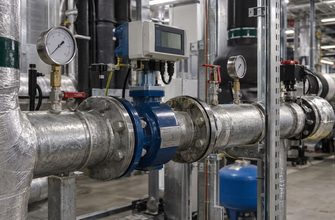
The framework extends beyond electricity. New facilities would be expected to use recycled or non-potable water for cooling, reducing their dependence on drinking-water supplies.
Cooling architecture will therefore become an important site-selection factor. A location with suitable power may still be difficult to develop if it lacks access to an appropriate alternative water supply or cannot support a less water-intensive cooling design.
The proposed planning rules would also prevent new data centers from being placed in residential zones, near schools and childcare facilities, or in rural areas that lack sufficient supporting infrastructure. Developers would be expected to manage traffic generated during construction and operation.
Rules Target the Infrastructure Around Computing
Victoria hosts more than 40 data centers, according to the state government, with operators including NEXTDC, AirTrunk and CDC active in the market. Microsoft and Amazon Web Services also maintain infrastructure in the state.
The government has previously allocated A$5.5 million to its data center planning initiative and said the sector could unlock projects representing as much as A$25 billion in potential capital expenditure. Those figures describe the broader program and project pipeline rather than spending approved under the September 22 plan.
Infrastructure assessment: The framework links permission to build computing capacity with the delivery of power, storage, cooling resources and local network upgrades. A project’s viability may therefore depend as much on its supporting utility infrastructure as on demand for servers or AI workloads.
What Happens Next
The action plan establishes the Victorian government’s direction, but project-level effects will depend on how its requirements are incorporated into planning approvals, utility connections and other implementation mechanisms.
Developers considering Victoria will need to evaluate energy generation, storage, water access and community obligations earlier in the design process. The immediate question is whether future guidance will define common technical thresholds or leave requirements to individual project assessments.