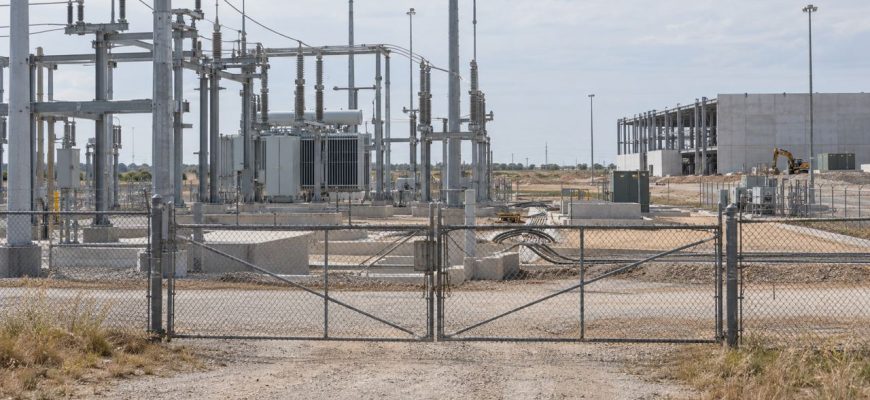
Texas Governor Greg Abbott ordered state regulators on September 21 to stop issuing permits sought by data center projects until authorities complete audits of their effects on the state’s electricity grid and water resources.
The directive requires the Texas Commission on Environmental Quality, or TCEQ, to suspend relevant approvals while the Electric Reliability Council of Texas and the Texas Water Development Board collect information needed to evaluate proposed developments. The decision introduces an immediate regulatory barrier for projects seeking to build or expand data center capacity in one of the fastest-growing infrastructure markets in the United States.
Permit approvals tied to infrastructure audits
According to the governor’s directive, no Texas state agency should proceed with regulatory approvals related to data center development until regulators have obtained the necessary information.
ERCOT and the Public Utility Commission of Texas are auditing data centers going through the grid interconnection process. The review is intended to determine whether their development could compromise grid reliability or security. The water board is separately collecting present and projected water-consumption information and assessing the effect on supplies needed by local communities.
The governor said projects must cover the cost of the electrical infrastructure they require, report electricity and water consumption, comply with setback requirements and avoid using water needed by surrounding communities. The state has not announced a completion date for the audits, meaning the duration of the permitting pause remains uncertain.
A 470 GW development queue
Reuters reported that more than 470 gigawatts of data center projects and other large electricity users were waiting to connect to the Texas grid when the broader review began. That requested capacity was more than five times the state’s peak electricity demand.
The figure does not represent capacity certain to be constructed: interconnection queues can include speculative, delayed or competing projects. It nevertheless illustrates the scale of proposed industrial demand confronting Texas grid planners as AI operators, hyperscalers and data center developers seek additional power.
For developers, the freeze makes regulatory readiness a more immediate project risk. Access to land and planned generation will not by themselves be sufficient if a project cannot document its electricity demand, infrastructure costs, water requirements and effect on local resources.
What happens next
TCEQ has been instructed to report to the governor’s office by October 19 on how it is complying with the directive. That update may clarify how the freeze applies to permits already under review, although the governor’s announcement does not specify exemptions for projects at particular development stages.
Abbott also said he intends to work with the Texas Legislature during its next session to eliminate financial incentives for data centers. No resulting legislation has yet been adopted, so the scope and timing of that proposal remain undetermined.
Until the audits are completed and permitting guidance is clarified, operators considering Texas deployments will need to account for potentially longer approval schedules and increased scrutiny of power, water and community impacts.
The permit freeze applies to state regulatory approvals; the announcement does not establish a date on which permitting will resume.