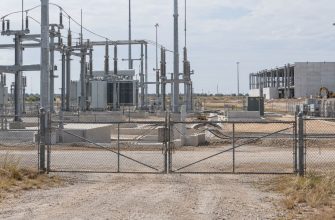
Amazon Web Services has acknowledged that it cannot restore access to some customer data and cloud resources stored in infrastructure damaged during strikes in Bahrain and the United Arab Emirates.
The disclosure appeared in an AWS service-status update dated September 15. AWS said the damage in Bahrain extended across multiple availability zones and exceeded the conditions its regional and multi-AZ services were designed to withstand. In the UAE, resources and data hosted exclusively in the availability zone identified as mec1-az2 remain inaccessible.
Recovery work continues elsewhere in the UAE region, but AWS has not provided a date for restoring the affected services.
Damage Extended Across Availability Zones
The infrastructure disruptions began in March after AWS facilities in the Gulf sustained physical damage during regional military strikes. AWS subsequently recommended that customers move workloads out of the affected locations and restore inaccessible resources from backups in other regions.
Most customers in Bahrain had relocated their workloads before disruption to a second availability zone made the region unavailable in April, according to the company’s update. AWS said it helped affected organizations re-establish operations in alternative regions using available backups or other technical measures.
For data and resources that had not been migrated before the Bahrain region became unavailable, AWS said it had assessed the affected infrastructure and exhausted the available recovery options.
In the UAE, the impact is more limited geographically but remains serious. AWS cannot restore access to resources held exclusively in mec1-az2, one of the region’s three availability zones. Work continues to recover regional resources and replace damaged infrastructure associated with the other affected zones.
Availability Zones Did Not Eliminate Regional Risk
AWS availability zones are designed as separate infrastructure locations within a cloud region. Customers commonly distribute workloads across multiple zones to reduce exposure to localized failures such as power, cooling or networking incidents.
The Bahrain event involved physical damage across multiple zones, creating a failure scenario broader than the localized disruptions multi-AZ architectures are normally intended to absorb. AWS said the damage exceeded the resilience design of its regional and multi-AZ services.
The distinction is important for infrastructure teams: deploying an application across several availability zones can improve resilience inside one region, but it does not replace geographically separate backups or a tested cross-region recovery plan.
Assessment: The incident demonstrates that availability-zone redundancy and disaster recovery address different layers of risk. Workloads requiring protection from a region-wide physical event need recoverable copies outside that region.
Customers Moved Workloads to Other Regions
The outages affected some banking operations when the initial disruption occurred, according to Reuters. AWS has since supported customers moving services to alternative regions and has remained in contact with authorities in Bahrain and the UAE.
AWS says it is replacing affected infrastructure in the UAE and expects to provide another restoration update in the coming months. For Bahrain, the company plans to issue a further update in early 2027.
No timetable has been announced for returning the Bahrain region or the inaccessible UAE availability zone to normal operation.
What Infrastructure Teams Should Review
Organizations operating workloads in a single cloud region should verify whether their recovery copies are stored outside the same geographic and operational failure domain. They should also confirm that backups can be restored without access to services hosted in the affected region.
The immediate issue is not whether every workload requires an active-active multi-region design. It is whether critical data has an independently recoverable copy and whether the organization has tested the process required to rebuild services elsewhere.
AWS customers can follow the latest regional information through the AWS Service Health Dashboard.