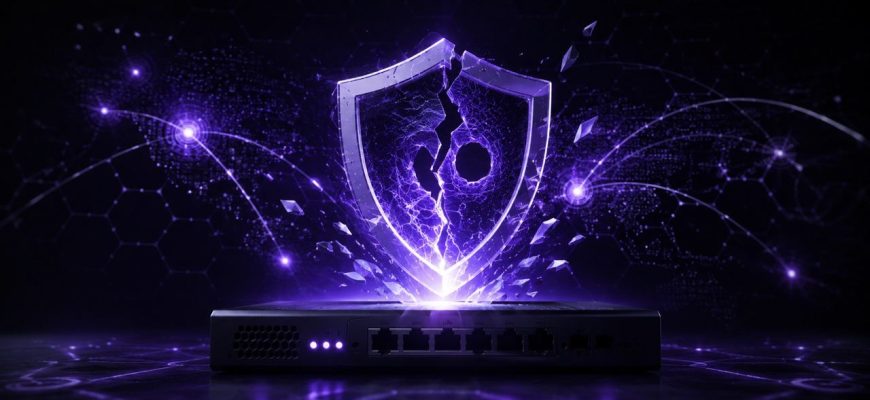
SonicWall has confirmed that attackers are actively exploiting two previously undisclosed vulnerabilities in its SMA 1000 secure access appliances. The flaws affect the SMA 1000 6210, 7210, and 8200v models, and SonicWall has released platform hotfixes for affected firmware branches.
The more serious vulnerability, CVE-2026-83548, carries a CVSS score of 10.0 and affects a pre-authentication attack surface. SonicWall says both vulnerabilities have been confirmed as actively exploited in the wild.
The second flaw, CVE-2026-83549, is a high-severity operating system command injection vulnerability with a CVSS score of 7.8. Together, the issues create a serious risk for organizations using affected SMA 1000 appliances as remote-access infrastructure.
- What SonicWall Confirmed
- Affected Products and Severity
- Why CVE-2026-83548 Is Particularly Serious
- The Second Vulnerability Adds Command Execution Risk
- The Vulnerabilities Can Be Chained
- Which Versions Are Fixed?
- What Administrators Should Do Now
- Why Patching Alone May Not Be Enough
- What This Means for Infrastructure Teams
- Bottom Line
What SonicWall Confirmed
SonicWall published its security notice on September 1, 2026, confirming active exploitation of both vulnerabilities. The disclosure covers SMA 1000 firmware branches 12.4.3 and 12.5.0. SonicWall’s security advisory provides the affected versions and remediation guidance.
A pre-authentication server-side request forgery vulnerability involving an unintended forward-proxy function.
A post-authentication operating system command injection vulnerability affecting the Appliance Management Console.
Affected Products and Severity
| Vulnerability | Issue | Severity |
|---|---|---|
| CVE-2026-83548 | Pre-authentication SSRF through an unintended forward-proxy function | Critical — CVSS 10.0 |
| CVE-2026-83549 | Post-authentication operating system command injection | High — CVSS 7.8 |
SonicWall identifies the affected products as SMA 1000 models 6210, 7210, and 8200v. The vulnerabilities affect platform-hotfix versions in the 12.4.3 and 12.5.0 branches, including older releases.
Why CVE-2026-83548 Is Particularly Serious
CVE-2026-83548 affects the Appliance WorkPlace interface before authentication. SonicWall describes the issue as an unintended forward-proxy capability that can expose functionality to a remote unauthenticated attacker.
The pre-authentication aspect is significant because an attacker does not first need to obtain legitimate credentials through the normal login process. For an internet-facing remote-access appliance, that makes the exposed interface an especially important part of the attack surface.
The Second Vulnerability Adds Command Execution Risk
CVE-2026-83549 affects the Appliance Management Console. It is a command injection vulnerability that can allow an authenticated administrator-level attacker to execute operating system commands under the conditions described by SonicWall.
The two vulnerabilities therefore have different roles. One affects an unauthenticated attack surface, while the other provides a route to operating system command execution when its authentication requirements are met.
Independent analysis from Sophos confirms the severity ratings and SonicWall’s statement that the vulnerabilities are being exploited in the wild. Sophos recommends identifying affected appliances and upgrading them as soon as possible.
The Vulnerabilities Can Be Chained
Security researchers have reported that the two vulnerabilities can be used together as part of an attack chain leading to remote code execution. This makes the disclosure more significant than two unrelated vulnerabilities affecting the same product.
SonicWall has not publicly disclosed a complete set of indicators of compromise in its initial advisory. Administrators should therefore avoid treating the absence of publicly documented indicators as evidence that an appliance has not been targeted.
BleepingComputer independently reported the active exploitation and additional details about the affected SMA 1000 platform.
Which Versions Are Fixed?
SonicWall lists the following fixed platform-hotfix versions:
| Firmware Branch | Fixed Platform Hotfix |
|---|---|
| 12.4.3 | 12.4.3-03526 |
| 12.5.0 | 12.5.0-02952 |
Organizations running affected versions should upgrade to the appropriate fixed release through the MySonicWall portal. Administrators should verify both the appliance model and installed platform-hotfix version before determining whether a system is affected.
What Administrators Should Do Now
Because active exploitation has been confirmed, affected appliances should be treated as a high-priority security task rather than routine firmware maintenance.
- Identify affected SMA 1000 appliances. Check whether the environment contains an SMA 1000 6210, 7210, or 8200v running an affected firmware version.
- Verify the installed firmware. Record the exact platform-hotfix version before applying remediation.
- Apply the appropriate hotfix. Upgrade affected physical or virtual appliances to the fixed release specified by SonicWall.
- Review the appliance for indicators of compromise. Where exploitation is suspected, follow SonicWall’s incident-response guidance and consider contacting SonicWall Technical Support.
- Re-image or redeploy compromised appliances. SonicWall recommends re-imaging hardware appliances or redeploying virtual appliances when indicators of compromise are identified.
- Rotate credentials after confirmed compromise. SonicWall recommends changing user and administrator passwords and resetting TOTP tokens when indicators of compromise are detected.
Why Patching Alone May Not Be Enough
There is an important difference between patching a vulnerable appliance and responding to a potentially compromised appliance.
Installing the vendor’s hotfix addresses the known vulnerability, but it does not by itself prove that an appliance was never accessed by an attacker. If exploitation is suspected, patching should be accompanied by an investigation rather than treated as the complete remediation.
This distinction is particularly important for remote-access infrastructure. An SMA appliance can sit at a security boundary between external users and internal resources, making compromise potentially more significant than the compromise of an isolated server.
What This Means for Infrastructure Teams
The immediate risk comes from the combination of remote exposure, confirmed exploitation, and a critical pre-authentication vulnerability. That combination makes this materially different from a routine vulnerability disclosure with no known attacks.
Infrastructure teams should first establish whether an affected SMA 1000 exists in the environment and determine its exact firmware state. If a vulnerable appliance is present, remediation should be prioritized over lower-risk maintenance work.
If there are signs that exploitation may already have occurred, the response should go beyond installing the hotfix. The appliance should be assessed as a potential security incident, with credentials and authentication factors handled according to the vendor’s guidance and the organization’s incident-response procedures.
Bottom Line
SonicWall has confirmed two actively exploited vulnerabilities affecting SMA 1000 appliances, led by CVE-2026-83548 with a CVSS score of 10.0.
The affected 6210, 7210, and 8200v models have fixed platform-hotfix releases available. Organizations running vulnerable versions should patch immediately and investigate for compromise where appropriate.